info@asbaguslogistics.com
Monday - Friday
8:30am - 5:30pm
Call us
+603 9771 2248
info@asbaguslogistics.com
8:30am - 5:30pm
+603 9771 2248

In the world of logistics, ultimate warehousing and distribution are critical components that can significantly impact the efficiency and effectiveness of your supply chain.
A well-managed warehousing and distribution system ensures that goods are stored safely, handled efficiently, and delivered to the right place at the right time.
For businesses looking to streamline their supply chain, understanding the benefits and strategies of effective warehousing and distribution is essential. In this blog, we’ll explore how warehousing and distribution can enhance your supply chain operations and provide practical tips for optimizing these processes.
Warehousing involves the storage of goods and materials in a systematic and organized manner. It includes the management of inventory, ensuring the safety and condition of stored items, and facilitating easy access for retrieval and dispatch.
Distribution refers to the process of transporting goods from the warehouse to their final destination, be it to another business, retail outlet, or directly to the consumer. It encompasses activities such as order processing, packaging, shipping, and delivery.
When integrated effectively, warehousing and distribution form a seamless link in the supply chain, ensuring that products are available when and where they are needed.
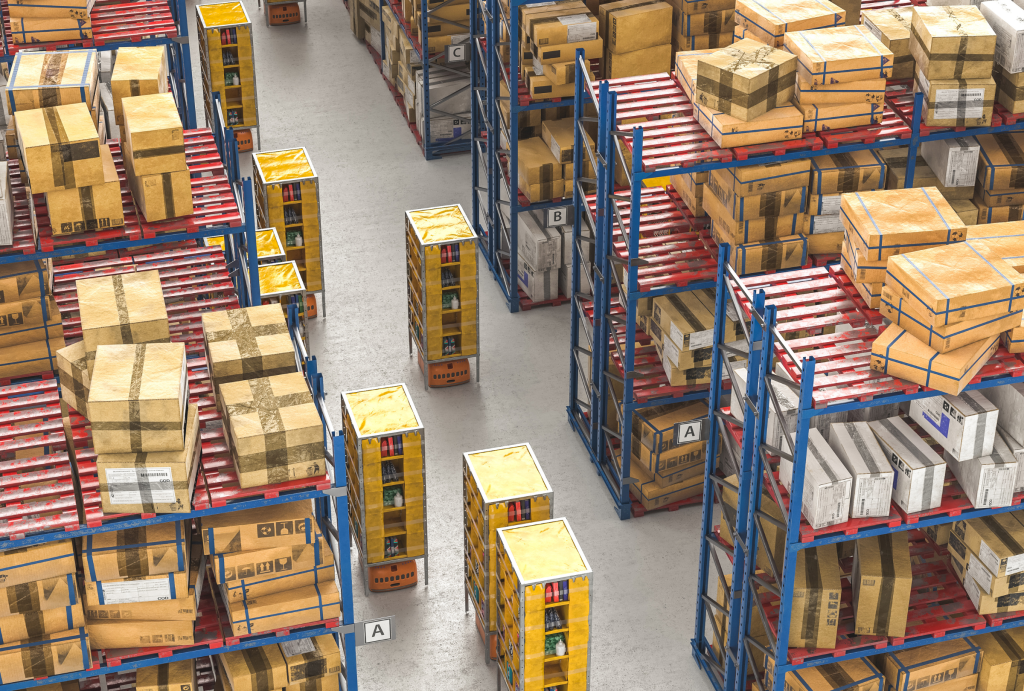
Effective warehousing provides a centralized location for storing goods, allowing for better control and management of inventory. Advanced inventory management systems (IMS) can track stock levels, monitor product movement, and provide real-time data on inventory status. This helps businesses maintain optimal stock levels, reduce overstocking or stockouts, and make informed decisions about reordering and stock rotation.
Asbagus Logistics is here to help. We provide tailored logistics solutions designed to meet your unique business needs.


A well-organized warehouse and efficient distribution system streamline the order fulfillment process. By having goods readily available and easily accessible, businesses can quickly pick, pack, and ship orders. This leads to faster order processing times, reduced lead times, and improved customer satisfaction. Automated systems and technologies such as barcode scanning and RFID can further enhance accuracy and speed in order fulfillment.

Warehousing and distribution can lead to significant cost savings in various ways. Consolidating inventory in a central warehouse reduces the need for multiple storage locations, lowering storage costs. Efficient distribution routes and transportation management minimize shipping expenses. Additionally, by optimizing inventory levels and reducing excess stock, businesses can avoid the costs associated with obsolete or unsold products.
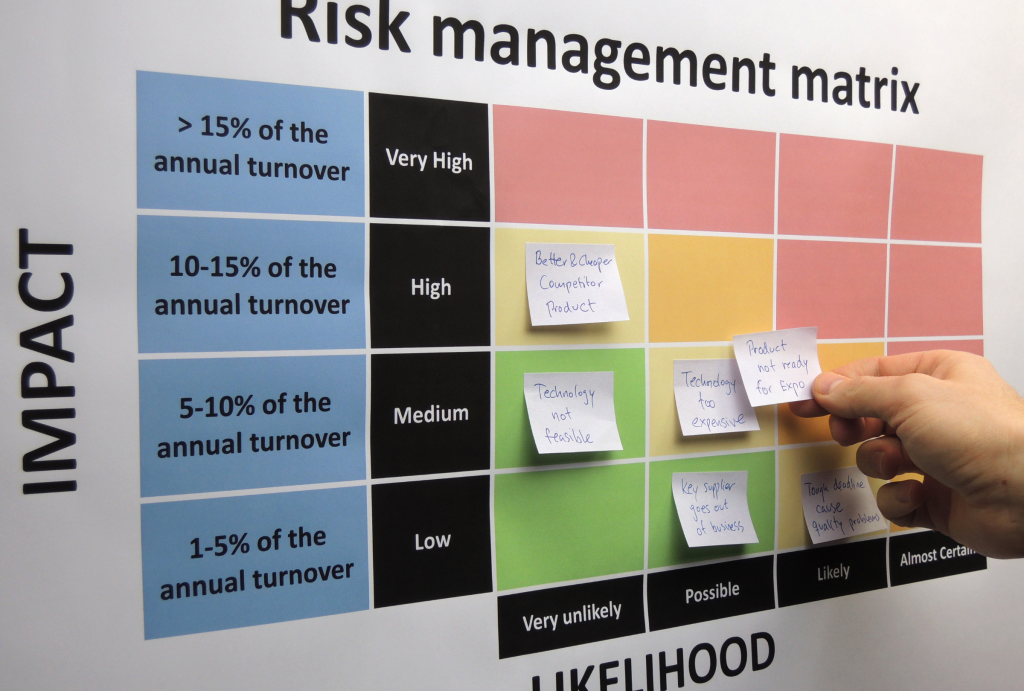
Warehousing provides a secure environment for storing goods, protecting them from theft, damage, or adverse environmental conditions. Properly managed warehouses implement safety protocols and quality control measures to ensure the integrity of stored items. In case of supply chain disruptions or delays, having a buffer stock in the warehouse can help mitigate risks and maintain business continuity.

A well-designed warehousing and distribution system offers scalability and flexibility to accommodate business growth and changing market demands. As your business expands, you can easily scale up your storage capacity and distribution network. Flexible warehousing solutions, such as public or shared warehouses, allow you to adjust your storage needs based on seasonal fluctuations or market trends.
Timely and accurate order fulfillment is crucial for maintaining high levels of customer satisfaction. Efficient warehousing and distribution ensure that products are delivered to customers on time and in good condition. By meeting customer expectations consistently, businesses can build trust, enhance their reputation, and foster long-term customer loyalty.


Modern warehousing and distribution systems leverage advanced technologies to optimize operations. Warehouse management systems (WMS), transportation management systems (TMS), and automated guided vehicles (AGVs) enhance efficiency, accuracy, and productivity. Real-time tracking and monitoring capabilities provide visibility into the movement of goods, enabling proactive decision-making and problem-solving.

A WMS is a software solution that streamlines warehouse operations, including inventory management, order fulfillment, and labor management. Implementing a WMS can improve accuracy, reduce manual errors, and enhance overall efficiency. Look for a WMS that integrates seamlessly with your existing systems and provides real-time data and analytics.

The layout and design of your warehouse play a crucial role in maximizing efficiency. Optimize the placement of goods based on their demand and frequency of access. Utilize racking systems, shelving, and pallet storage to make the most of your available space. Ensure that pathways and aisles are clear and well-organized to facilitate smooth movement of goods and equipment.
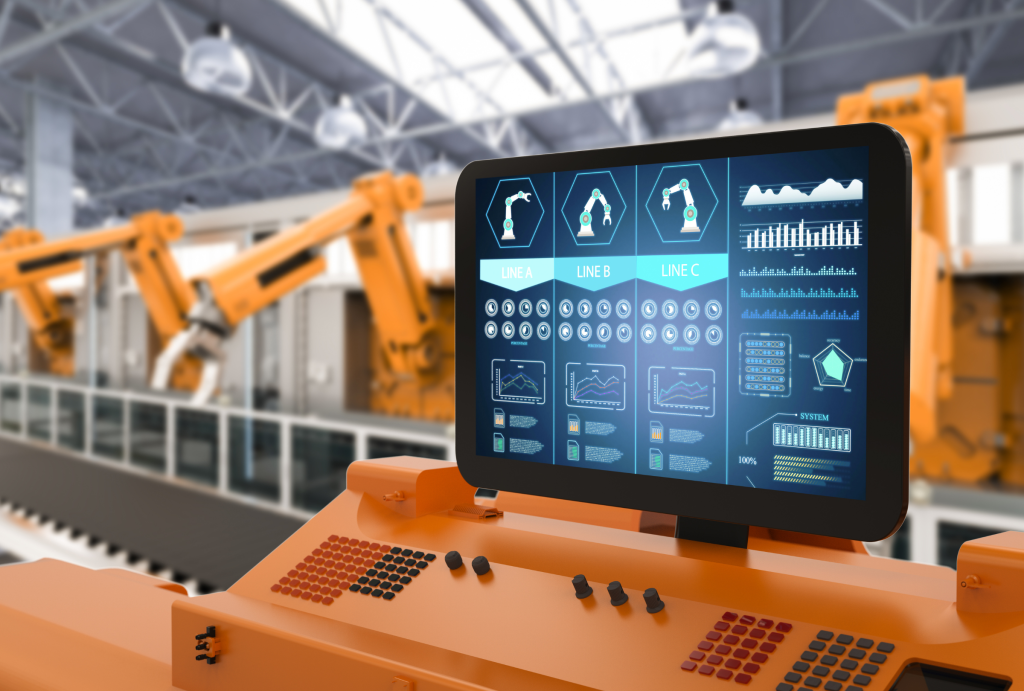
Automation technologies, such as conveyor systems, automated storage and retrieval systems (AS/RS), and robotics, can significantly enhance warehouse efficiency. Automated solutions reduce the reliance on manual labor, minimize errors, and speed up order processing times. Additionally, technologies like barcode scanning, RFID, and IoT sensors provide real-time visibility and tracking of inventory.
Efficient distribution requires careful planning and optimization of transportation routes. Use route optimization software to determine the most efficient delivery routes, considering factors such as distance, traffic, and delivery windows. Collaborate with reliable carriers and logistics partners to ensure timely and cost-effective transportation.
Just-in-Time inventory management involves maintaining minimal stock levels and receiving goods only when needed. This approach reduces carrying costs, minimizes the risk of overstocking, and ensures fresh inventory. JIT requires strong coordination with suppliers and reliable transportation to ensure timely deliveries.
Data and analytics play a vital role in optimizing warehousing and distribution. Analyze historical data to identify trends, peak periods, and potential bottlenecks. Use predictive analytics to forecast demand and plan inventory levels accordingly. Real-time data from WMS and TMS systems provides insights into operational performance and helps identify areas for improvement.
Effective communication and collaboration between different stakeholders in the supply chain are essential for seamless warehousing and distribution. Implement collaborative tools and platforms to facilitate information sharing and coordination between suppliers, warehouse staff, and distribution teams. Regularly review and update processes to ensure alignment and efficiency.
Warehousing and distribution are integral components of a streamlined supply chain. By leveraging advanced technologies, optimizing processes, and implementing best practices, businesses can enhance inventory management, reduce costs, and improve order fulfillment. Efficient warehousing and distribution not only contribute to better customer service but also provide a competitive edge in today’s fast-paced market.
At Asbagus Logistics, we specialize in providing state-of-the-art warehousing and distribution solutions tailored to meet your specific needs. Our strategically located warehouses, advanced inventory management systems, and reliable distribution network ensure that your goods are stored securely and delivered efficiently. Contact us today to learn more about how our warehousing and distribution services can help streamline your supply chain and drive your business success. !Click here to learn more about us!
+603 9771 2248
info@asepindustries.com
No 8, Jalan Rajawali 17 Kawasan Perusahaan Kebun Baru, Batu 9 Teluk Panglima Garang, 42500 Klang, Selangor, Malaysia
© 2024 Asbagus Logistics